


Kempen-Broek, Limburg Province (border between The Netherlands and Belgium)

Ongoing implementation

Landscape level
Score
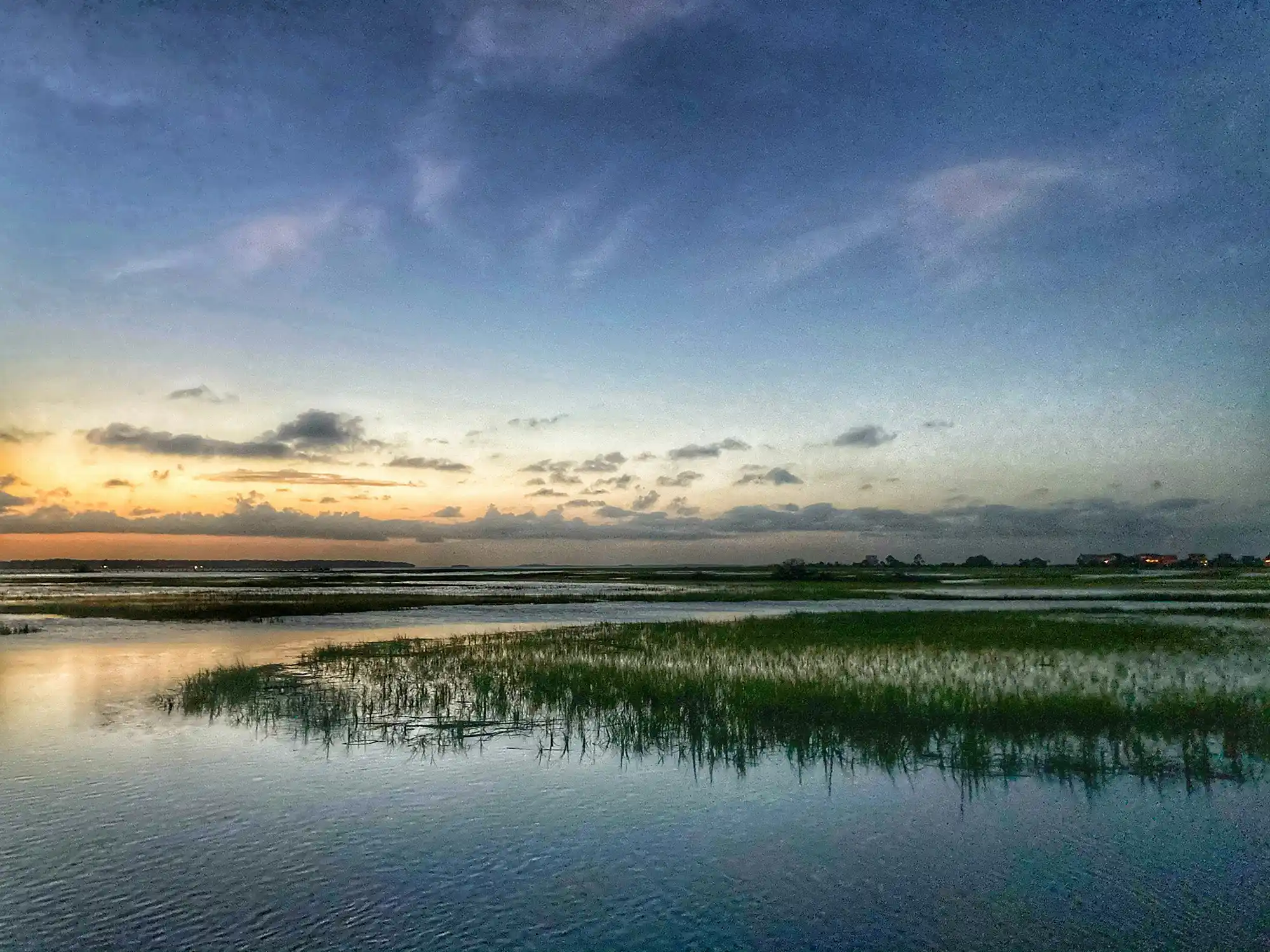
The Kempen-Broek project restores a historically drained 15,000 hectares marsh system into a reconnected 2,000 hectares wetland mosaic that acts as a natural flood buffer for downstream cities such as Eindhoven and Den Bosch. Initiated by ARK Nature and partners, the intervention rewilds agricultural lands through rewetting, natural grazing, and fen restoration, while fostering community engagement and cross-border conservation under the UNESCO Man and Biosphere framework. The restored wetland enhances biodiversity, improves water storage by 150,000 m³ per year, and provides recreational and economic benefits to local communities.
Following World War II, much of the Kempen-Broek marshland was drained for agricultural production. However, as climate change increased both drought and flood risks, the region sought to restore the area’s natural sponge function, retaining rainfall upstream to mitigate both floods and droughts downstream. The project became a pilot for the Dutch “Coalition of Natural Climate Buffers”, integrating ecological restoration with regional development, agriculture, and tourism.


A cross-border rewilding and wetland restoration initiative transforming drained farmland into an ecologically functional marshland network. Actions include rewetting, natural grazing, fen excavation, and parcel reconnection to restore hydrology and biodiversity while reducing flood risks. The project integrates community engagement, economic revitalization, and policy innovation in a multifunctional landscape.

The intervention restored former agricultural land to a functioning marshland-wetland system by reconnecting and rewetting individual farm parcels across the Kempen-Broek area at the border between The Netherlands and Belgium. ARK Nature and partners first focused on acquiring and consolidating “key” parcels that layed between existing nature reserves, so that separate wetland remnants could be joined into a continuous wetland systems. Restoration actions were only initiated once a hydrologically coherent group of parcels had been assembled, so that raising water levels would not negatively affect neighbouring farms.
Implementation combined land consolidation with physical measures to restore wetland hydrology and associated habitats. Drainage infrastructure and fencing were removed, and the landscape was rewetted to rebuild the water-buffering function of the former marsh. In some locations, old fen systems were restored by excavating accumulated sediments. After rewetting, naturalistic grazing was introduced using free-ranging herds of Exmoor horses and Tauros cattle to create a dynamic mosaic of vegetation structures and gradual transitions between woodland and open grassland.
A key enabling mechanism was a structured land reallocation process managed through a consortium model. A land agent organised land reallocation to consolidate “marshy” and “good” agricultural land into viable ecological and agricultural units, working across many landowners and parcels (for example, an early reallocation covered 30 landowners and 240 parcels over 250 hectares). As consolidation progressed through multiple allocations, the coherent wetland area expanded to almost 2,000 hectares (reported as created by 2016). The approach relied on building and maintaining cooperative relationships with local farmers, including prioritizing acquisitions of farms owned by older farmers wishing to stop farming activities, as well as by ensuring that rewetting decisions respected adjacent agricultural needs.
Community engagement was integrated into implementation to maintain local support as the landscape changed. ARK Nature marked milestones through local events, incorporated local cultural references in place naming and on new access gates, and produced a book capturing local oral history. A practical obstacle emerged around public concern about Tauros cattle; this was addressed by replacing Tauros with more docile cattle breeds in areas frequently used for recreation.
The intervention leveraged wetland “sponge” processes to increase water retention capacity and reduce downstream flood risk: slowing, storing and gradually releasing water through rewetted marshes and associated vegetation. Grazing by large herbivores was used as a natural process to maintain habitat heterogeneity and ecological transitions that support wetland biodiversity. In 2017, after acting as a temporary landowner during consolidation, ARK Nature transferred the restored lands to established conservation organisations on both sides of the border for long-term management.


Information not available yet.