


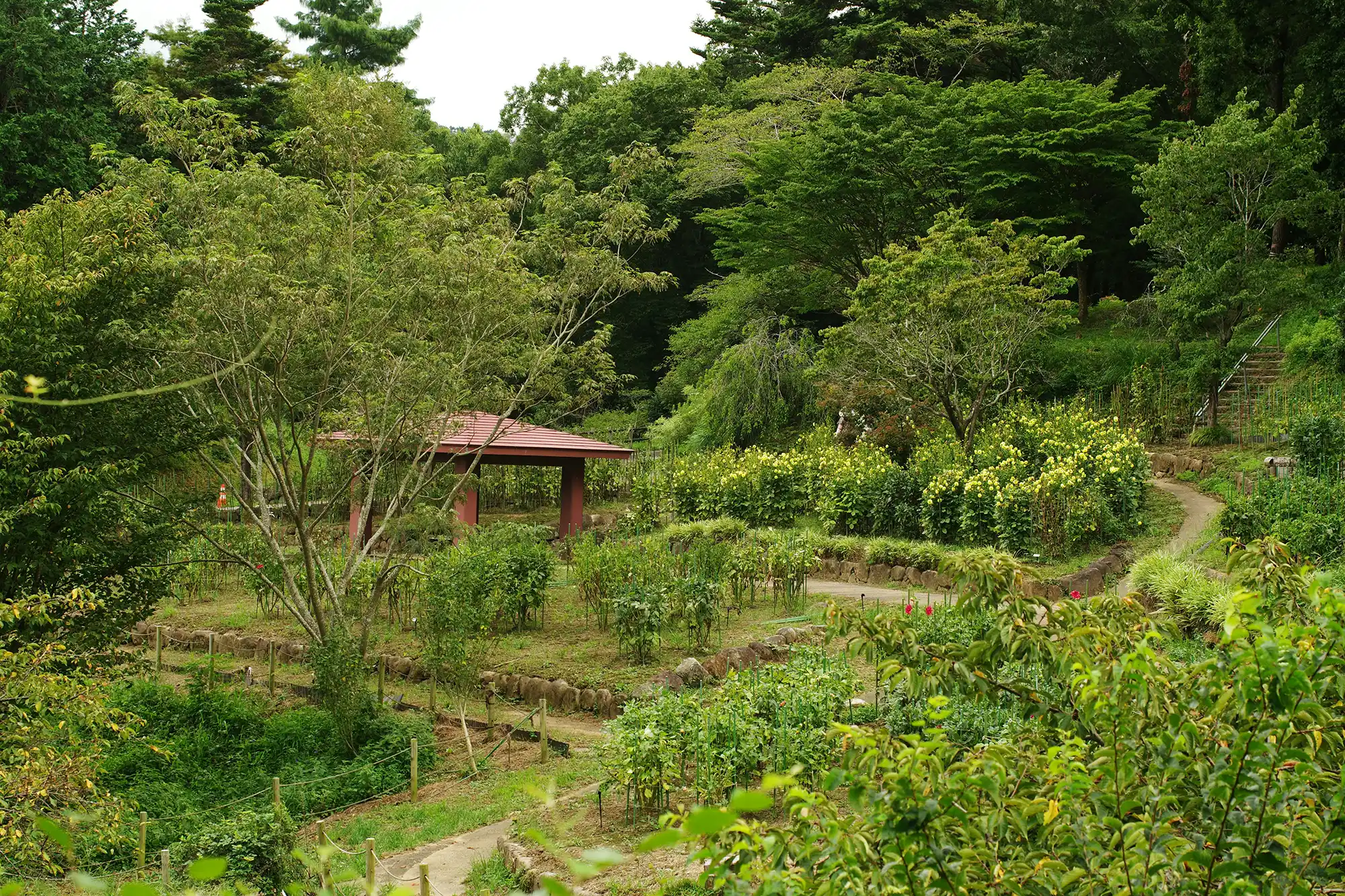

Petit Saint-Jean Farm, Saint-Laurent d’Aigouze, Camargue, France

Ongoing implementation

Local level
Score
Since 2012, Tour du Valat has been transforming a 100-hectare estate of pine forest, wetlands, and sandy farmland into a living demonstration of agro-ecology and permaculture. The project minimises chemical inputs, prioritises renewable resources, and adopts water-saving practices to maintain production while conserving high-value Mediterranean wetlands. A strong partner network enables technique testing, training, and knowledge transfer across the French Mediterranean.
Historic drainage, urbanisation, and intensive agriculture exert strong pressures on Camargue ecosystems. The 100-hectare Petit Saint-Jean estate contains habitats of high natural value, including wetlands and remnant pine forests. Anticipated high warming in the Mediterranean and increasing irrigation stress require production systems that use less water and energy while protecting biodiversity. The project responds by integrating nature conservation with farm operations to demonstrate viable, climate-adapted practices.


The project deploys agro-ecology and permaculture to align production with ecosystem functioning. Measures include minimising chemical inputs, adopting renewable energy and materials, implementing mulching and drip irrigation, and selecting drought-resistant crop varieties. Management explicitly integrates wetland protection with agricultural use, supported by continuous ecological and agronomic monitoring and an outreach programme for regional replication.

The site combines viticulture, agroforestry, annual crops, diversified orchards and low-intensity livestock farming within an integrated agroecological system designed to produce quality products while enhancing environmental performance and resilience to climate change.
Viticulture focuses on the production of quality wines and juices using environmentally respectful and demonstrative practices. Vineyards include red and white grape varieties from the IGP Sable de Camargue, alongside southern grape varieties selected for improved adaptation to warming conditions. Parcels are deliberately small and structured by fruit hedgerows and canals to enhance ecological functionality and manage soil salinity. Vineyard management emphasises permanent or managed ground cover, vegetation control through grazing and soil work, and the preferential use of draft horses. Production is valorised on site through juice and wine vinified at the estate.
Agroforestry systems combine high-stem trees for timber production with food crops and sheep grazing to diversify outputs and incomes, improve soil quality and reduce exposure to climatic risks. Three experimental configurations are being tested across separate parcels, varying tree density, nitrogen management and integration of livestock.
Annual and experimental crops adapted to sandy soils are cultivated, including chickpea, peanut and sweet potato, to test crop performance and diversification under local soil and climate conditions.
Diversified orchard-meadow systems (prés-vergers) combine fruit production with forage. Trees are planted at low density and arranged either in multi-species rows or small mono-specific blocks to reduce pest pressure. Species include olive trees for oil, almond and pistachio trees for nuts, pomegranate for juice and cosmetic applications, and persimmon for fresh and dried fruit. Selected species are adapted to highly permeable soils and Mediterranean conditions, require limited intervention and show good resistance to pests and diseases.
Market-garden orchards integrate fruit trees with vegetable production, prioritising winter crops and mound-based cultivation to enable rapid returns while maintaining a productive perennial structure.
Low-intensity sheep farming uses rustic breeds at limited stocking densities to manage woody vegetation, valorise pine woodland clearings, control grassland biomass and ground cover in vineyards and orchards, reduce wildfire risk, and provide organic fertilisation across the site.
Additional small-scale productions include beekeeping to support pollination and honey production, and small poultry systems (hens or ducks) for egg and meat production while contributing to pest control.


Information not available yet.