


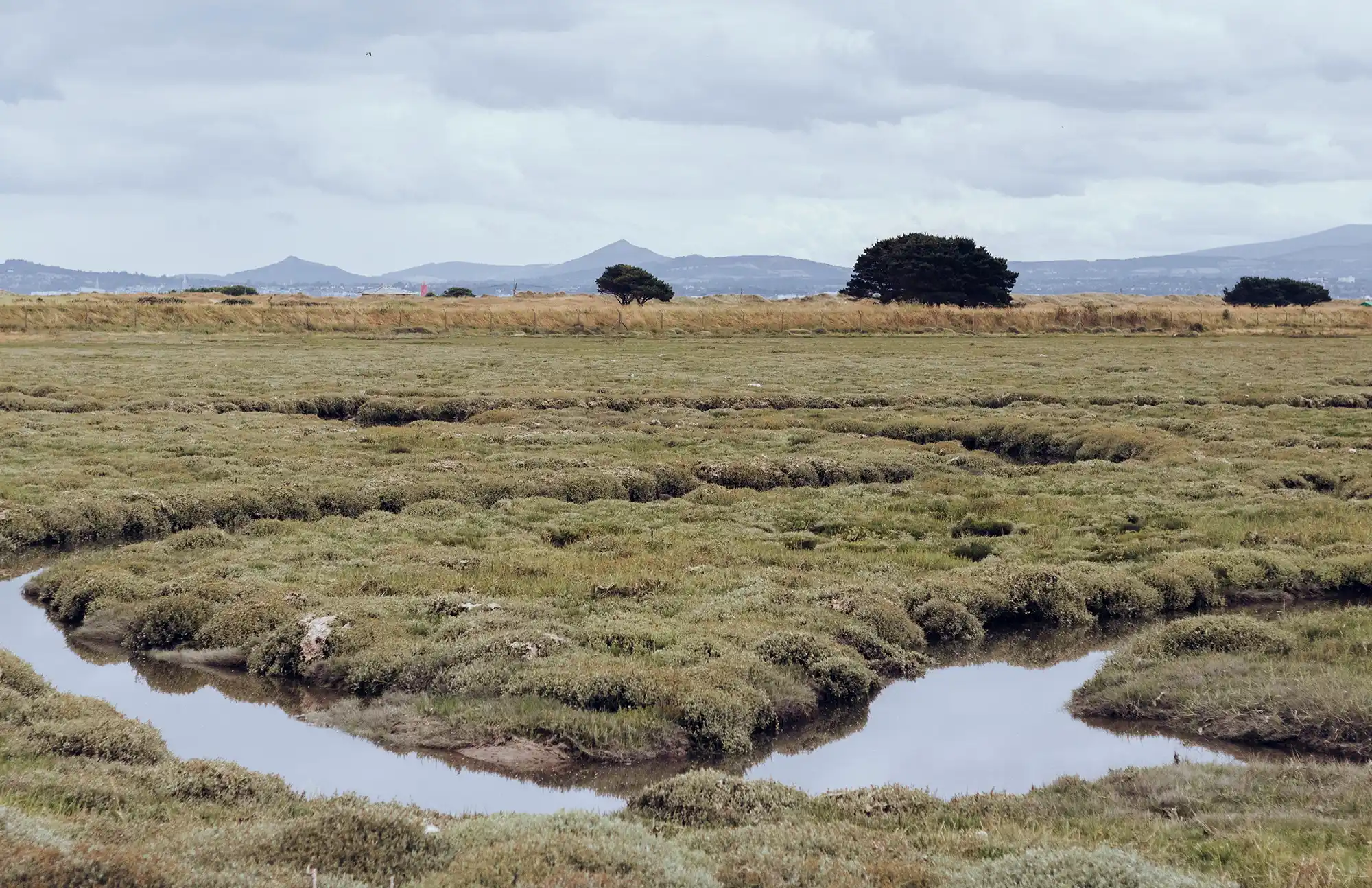

Belarus, Eastern Europe

Ongoing implementation

(Inter)national level
Score
Belarus has undertaken one of the largest peatland restoration initiatives in Europe, rehabilitating over 50,000 hectares of degraded peatlands since 2009. Through rewetting, technical innovation, and strong government policy, the initiative has reduced carbon emissions, halted fires, and revived biodiversity. The project evolved from research and pilot restoration sites into a national strategy ensuring long-term peatland protection and sustainable use.
Belarus, once known as the “land of mires”, possesses 2.6 million hectares of peatlands, over 1.5 million of which were drained for peat extraction, agriculture, and forestry between the 1960s and 1980s. This large-scale drainage caused severe ecological damage, leading to fires, carbon emissions, and biodiversity loss, particularly threatening globally significant species such as the Aquatic Warbler. Following major peat fires in 1999 and 2002, UNDP and the Belarusian government launched a comprehensive restoration programme to address land degradation, mitigate climate change, and prevent further environmental and economic losses.


The Belarus peatland restoration programme focused on rewetting drained peatlands by closing drainage canals and stabilising hydrological regimes. Engineers and ecologists designed low-cost, locally sourced structures to block drainage ditches, restoring groundwater levels and halting peat oxidation. Biodiversity and vegetation rapidly returned, while rewetting significantly reduced greenhouse gas emissions and fire risk. The approach was scaled nationally through the adoption of technical standards and legal frameworks ensuring mandatory rewetting after peat extraction or agricultural use.

The intervention focused on rehabilitating degraded temperate peatlands by restoring their hydrological regime through re-wetting. This approach was selected after research and pilot work showed that drainage-driven disruption of peatland hydrology was the main driver of peat oxidation, recurring peat fires, and biodiversity loss. Early UNDP-supported studies (from 2009) and earlier government–NGO pilot work (Ministry of Natural Resources and Environmental Protection with RSPB) provided the evidence base for prioritising hydrological restoration as the core technical solution.
Implementation followed a stepwise model: (1) research to define the problem and develop practical restoration methods; (2) on-the-ground demonstration at multiple sites to prove feasibility and effectiveness; and (3) consolidation through national standards and policy to enable long-term maintenance and replication. A multi-disciplinary technical team (hydrology, biology, soil science and economics), led by Dr Alexander Kozulin, developed a national “know-how” for peatland restoration with input from German and British experts. This was formalised as a Code of Best Practices and supported by a technical guidebook describing affordable restoration approaches.
Physically, restoration works centred on stopping water loss from drained peatlands by blocking drainage canals and ditches. The method relied primarily on local materials and local labour, using more solid (including concrete) structures only in a small number of cases. Where needed, the blocking structures were designed to be adjustable so that water levels could be regulated after installation. An algorithm was developed to determine the number and placement of blocking structures based on peatland area, elevation and the condition of drainage ditches. The intervention therefore combined engineering design with site-specific hydrological planning, including land altitude modelling, which was highlighted as particularly important where peatlands had significant elevation differences.
Demonstration restoration was implemented at 10 sites between 2009 and 2011, covering 22,397 ha. The wider programme also tested approaches across 12 disturbed peatlands (28,000 ha) and subsequently expanded, with restoration continuing after 2011 without external donor support. By 2019, an additional 32,000 ha had been restored without donor engagement, contributing to a reported total of over 50,000 ha restored since 2009. The approach was also applied to peatlands affected by forest amelioration, with work underway to restore hydrology at three large raised bogs totalling 3,570 ha.
The intervention leveraged natural peatland processes: raising groundwater levels to halt peat mineralisation and reduce fire susceptibility, while enabling spontaneous recovery of wetland plant communities and associated habitats for waterbirds. The documentation indicates that assisted re-vegetation or reseeding was not required in most cases, as wetland communities returned with the restored groundwater regime.
Key implementation challenges included ensuring cross-disciplinary coordination to agree a sustainable solution for each peatland, and managing technical risks linked to uneven terrain and infrastructure performance. These were addressed through careful altitude modelling, adoption of national technical standards, and post-restoration monitoring of hydrotechnical facilities to confirm they functioned as planned and to repair them when needed. A further practical requirement identified was clear assignment of ownership/management responsibility for the constructed facilities, to ensure ongoing maintenance and compliance with target groundwater levels.


Information not available yet.