


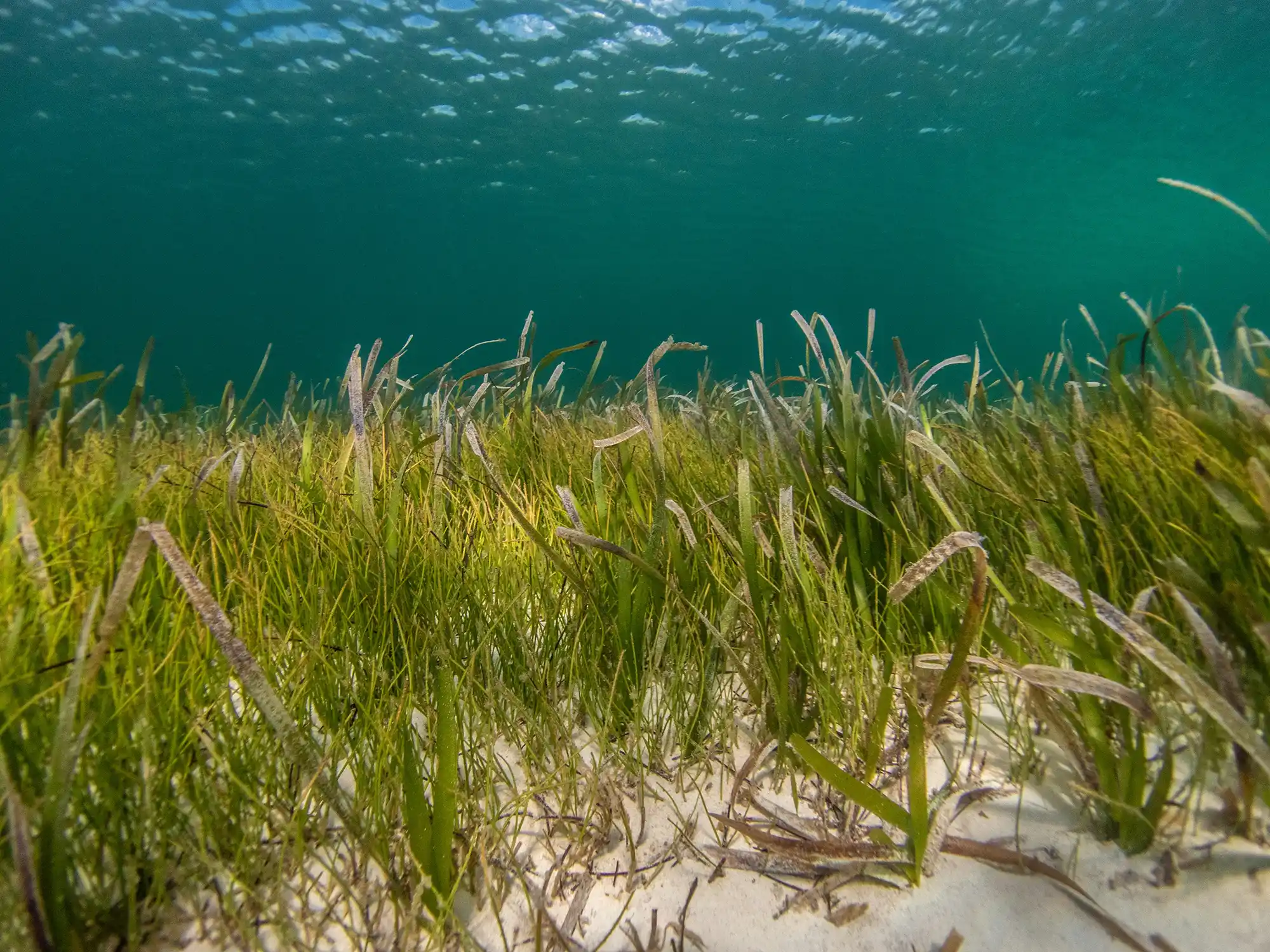

The Solent, southern England — between mainland UK and the Isle of Wight

Ongoing implementation

Landscape level
Score
The Solent Seascape Project is an ambitious large-scale marine restoration initiative focused on 52,200 hectares of degraded coastal and marine habitats in one of the UK’s busiest waterways. The project seeks to improve the condition, extent, and connectivity of key habitats such as seagrass meadows, saltmarsh, oyster reefs, and mudflats, thereby enhancing biodiversity, blue carbon storage, and community resilience to climate change. By uniting government, conservation organisations, and local communities, this is one of the first projects in the UK to implement seascape-scale ecological recovery.
The Solent is a 32 km-long strait separating mainland England from the Isle of Wight, containing a complex network of estuaries, harbours, spits, and sandbanks. Despite being home to 79,000 shipping movements annually, a major naval base, and a quarter of England’s coastal marina berths, it supports globally important habitats. These include saltmarshes, seagrass meadows, mudflats, and oyster reefs that sustain diverse marine life such as the critically endangered European eel (Anguilla anguilla) and thresher shark (Alopias vulpinus), and serve as wintering grounds for over 125,000 ducks, geese, and waders. However, human activity and climate change have severely degraded these habitats.


The Solent Seascape Project seeks to transform a heavily used but ecologically degraded waterway into a resilient, nature-rich seascape through coordinated habitat restoration, improved management, and community collaboration. By restoring critical habitats such as seagrass, saltmarsh, and oyster reefs, the initiative will enhance biodiversity, climate resilience, and the wellbeing of people living and working around the Solent. It represents a national model for integrated marine landscape recovery.

Nature-based solution interventions across the Solent seascape focus on the restoration and enhancement of coastal and intertidal habitats, including seabird nesting sites, seagrass meadows, oyster reefs and saltmarsh. Activities are being delivered across multiple sites to stabilise and expand habitat extent, improve ecological condition and support long-term resilience of the seascape.
Seabird restoration interventions concentrate on the creation, enhancement and protection of nesting and roosting habitats on shingle and island features. Across the North Solent, Langstone Harbour, Chichester Harbour and adjacent lagoons, works include the construction and replenishment of shingle islands and ridges, removal of encroaching vegetation to maintain bare ground, installation of predator-exclusion fencing and seasonal infrastructure, and improved signage to reduce disturbance. At several sites, including Farlington Deeps, Bakers Island and Long Island, shingle placement and habitat refreshment have already been delivered, while at others, such as West Hayling Lagoon, planned works will address erosion, improve nesting opportunities and assess longer-term management options. Additional measures at Pilsey Island and South Binness focus on access management, invasive species removal and investigation of opportunities to expand habitat extent.
Seagrass restoration efforts target both active restoration and trial planting in areas adjacent to existing beds. At Thorness Bay and Priory Bay on the Isle of Wight, active restoration of Zostera marina is being undertaken using a combination of methods, including direct in situ seeding, transplanting and fragment deployment, covering a combined area of approximately 3 ha. At Calshot and Chilling, trial restoration using direct in situ seeding is being carried out in suitable sediments adjacent to established seagrass beds, with the intention to scale up interventions if trials are successful.
Oyster reef restoration in Langstone Harbour focuses on the establishment of native oyster habitat through the deployment of cultch material and phased introduction of flat oysters. A pilot reef of approximately 0.1 ha has been created within Russell’s Lake, providing a foundation for reef development and future expansion.
Saltmarsh restoration activities address habitat loss and constrained opportunities for natural migration. In the Medina Estuary, a trial is planned to use locally dredged sediment to infill creeks, raise intertidal elevations and support the persistence and enhancement of existing saltmarsh. At West Itchenor, an innovative pilot repurposes sediment dredged for navigation from Chichester Marina to restore saltmarsh habitat, diverting material from offshore disposal.
Together, these interventions form a coordinated programme of nature-based solutions aimed at restoring key coastal habitats across the Solent seascape through a combination of habitat creation, enhancement, protection and adaptive trialling.


Information not available yet.